Features
Part of Bike itinerary building: how it works, step by step
Bike itinerary building time: when to start planning
Bike itinerary building time explained: when trail information appears, when scarce bookings go, and when to make the condition check before a rail trail trip.
Most seasonal advice covers when to ride. Bike itinerary building time is the other calendar, and it follows the same annual cycle whichever year you travel: when the information you need becomes available, when the scarce bookings disappear, and when a plan should be checked one final time.
What to take away
- Book the scarce items five or six months out, and nothing else.
- Agency information follows an annual cycle, so early planning uses last year's picture.
- Usage data exists on more corridors than people expect, and it is worth asking for.
- Make the final condition check in the week before you travel, not earlier.
Information arrives on a schedule
Agencies publish on annual cycles. FHWA has for years produced annual summaries of its pedestrian and bicycle research and program activities timed for the Transportation Research Board's yearly meeting. That is a fair illustration of how this world works: material is compiled once a year, then stands until the next round.
The practical consequence for a traveler planning eight months ahead is that almost everything you read describes last season. That is fine for choosing a corridor and useless for choosing a date to be on a specific section.
Usage data may already exist
More corridors are counted than most visitors realise. FHWA's bicycle and pedestrian count technology pilot worked directly with ten metropolitan planning organizations, funding automatic counters and building local capacity to run counting programs. Where that capacity exists, the managing agency can often tell you which days and hours are busiest on a given section.
Ask early, because compiled counts are usually published well after the season they describe.
Know who manages the corridor
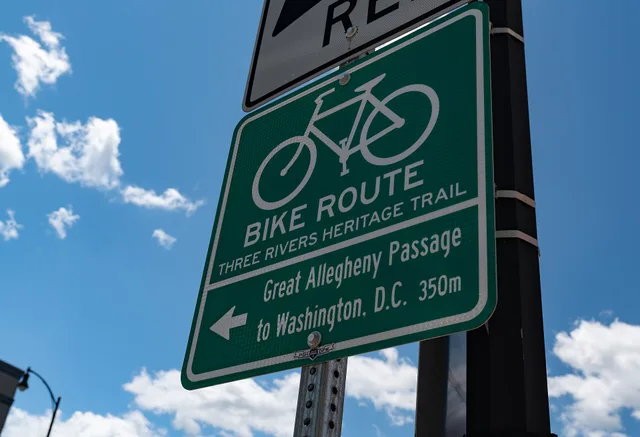
Rail trails differ in who runs them, and that answer decides who you ask about surfaces, closures and booking seasons. The Katy Trail across Missouri is a state park managed by Missouri State Parks. The Trail of the Coeur d'Alenes in northern Idaho is managed by Idaho State Parks and Recreation. The Erie Canalway Trail crosses New York as part of the Empire State Trail, under New York State Parks. The Great Allegheny Passage between Pittsburgh and Cumberland, Maryland, is overseen by the Great Allegheny Passage Conservancy together with the trail groups along it.
Put the right manager and the status page they publish in your notes before you book anything. A question sent to the wrong office can cost you a month of the planning calendar.
The planning calendar
When / Do this
- Six months out
- Choose the corridor and the dates
- Five months out
- Book lodging and any shuttle
- Three months out
- Confirm the route shape and the return journey
- One month out
- Ask about planned maintenance and closures
- One week out
- Final condition check with the trail manager
- Two days out
- Weather, and the fallback plan
The one-month call is the one people skip, and it is the one that catches scheduled resurfacing. It is also the moment the manager you noted for your corridor matters most: their status page, alerts and conditions updates are the ones to read now.
2027 Trip Planning Calendar
- Six months outChoose corridor and dates
- Five months outBook lodging and shuttle
- Three months outConfirm route and return
- One month outAsk about maintenance and closures
- One week outFinal condition check
- Two days outWeather and fallback plan
The calendar compresses for a short trip and stretches for a long one, but the order does not change. A weekend two hours from home needs the same sequence in three weeks instead of six months.
What never works is doing the checks out of order. A condition report gathered in February says nothing about a section resurfaced in May. A bed booked before the route shape is settled ends up in the wrong town.
Match the planning season to the riding season
Planning in winter for a spring trip means planning without current surface information, because nobody has ridden the corridor since autumn. Planning in late summer for an autumn trip is far more reliable. If your dates are fixed and early, build in a bigger contingency for what you cannot know.
Seasonal ground conditions are covered separately in best seasons for a trail town trip, and the ordering of the decisions is in how to build a bike itinerary.