No lodging is named. What this gives is the criteria that decide a stay: the evening walk to food, street speed and crossing spacing, corridor uses, and what to ask.
Trail town case studies tips miss the money: why upkeep looks patchy — RTP funding caps, surface changes at county lines, signage gaps, first-visit checklist.
A two-day structure for checking how well a trail town connects to its trail, using the six network qualities planners use and the town's action plan if it has one.
Federal and university trail town case studies name real towns, real methods, and real numbers. They answer planners' questions, not travelers' questions.
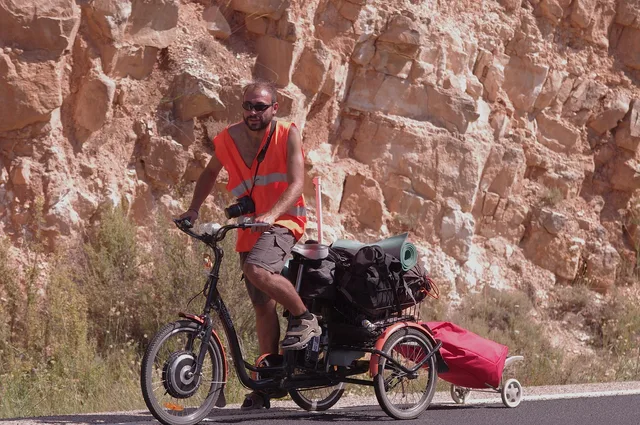
Moving touring gear costs add up through racks, train carriage, box fees, storage and hire, and the figures below show which line usually decides the trip.
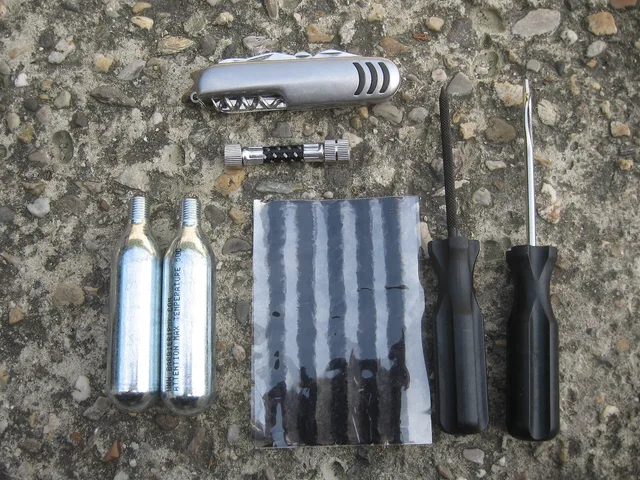
Rail trail packing list built around surface and repairs: what to carry when the corridor, not the weather, sets the list, level changes that catch narrow tires.
A working order for rail trail gear planning: confirm the corridor and its surface, ride the loaded setup locally, then buy — with a two-week return window.
What bike tour groups need from trail town businesses to plan a stop: a fixed group menu, a seating window, bike storage, one named contact, and why trail funds may not pay for promotion.
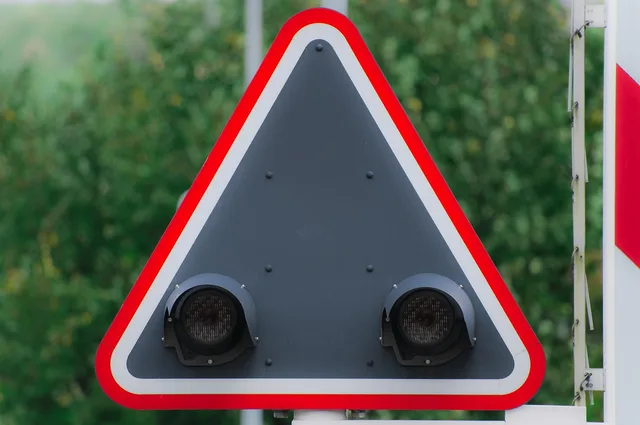
Cycling trip mistakes tips: the two hazards riders most often underestimate, railroad property and left turns across traffic, and how to handle each one.
USA travel by bike: what to ask rail-trail managers about measured conditions, entrances, surfaces, information formats and restroom access before a ride.
National sources describe cycling in general; only local ones describe your corridor. Who to contact, what each source knows, and what to ask them for.
The recurring causes of cycling trip mistakes: attention dropping at crossings, assumptions about who is allowed on a trail, and plans with no spare capacity.
Bike itinerary building in the right order: find the scarcest bed, campsite or bike space, book it first, and pay for flexibility only where it counts.
A bike itinerary building packing list for trail reroutes, with repair gear, weather layers, hydration, safety items, offline navigation and contact backups.
Bike itinerary building time explained: when trail information appears, when scarce bookings go, and when to make the condition check before a rail trail trip.
Bike itinerary building, how it works: purpose sentence, measured trail data over ratings, decisions in dependency order, applied to a named rail trail.
Planning a cycling weekend in 2027: who else uses the path, what the electric bicycle classes mean, and which rules are set locally rather than nationally.
A two-day rail trail trip itinerary works best as an out-and-back from one base: the budget steps, the phase timings, and why skipping the shuttle helps.
Adaptive cycle hire, transport, accessible rooms, transfers and contingency are the USA travel cost lines a cyclist adds, each quotable before booking.
How drainage, flood alerts, work closures and winter shutdowns set the months a trail town trip rides well, on the C&O Canal and the Elroy-Sparta Trail.
The three line items that decide a trail town budget: getting there and back, where you sleep, and the parking, passes and permits some corridors charge.
Named spur trails, station links, town connectors, brewery loops and river crossings that fit inside a cycling weekend without adding a night or a car move.
How local businesses can make a cycling weekend work: what visiting cyclists actually need from a town, and what two documented US shared mobility programs suggest.
Paved cycling routes businesses can support bring riders to local shops. Learn what attracts cyclists, how construction funding works, and who maintains routes.
Before a rail trail trip, call the state trail program administrator and the state bicycle coordinator: what each knows, what to ask, and when a shuttle helps.
Use this cycling weekends booking checklist for a rail-trail trip: check bike fit, shuttles, events, trail alerts, quoted costs, and cancellation terms.
Questions to put to an operator before booking a paved cycling route: what is included, surface and daily distance, traffic separation, e-bikes, support and cancellation.
A criteria-based shortlist for choosing a bike trail town in 2027, covering trail access, town services, transit links and how these places get funded.
The costs that surprise first-time rail trail riders: recovery from a breakdown, parking, an unusable rental, and services that were never there to begin with.
A packing list for trail town riding: tire choice for mixed surfaces, lights for road connectors, spares rural shops lack, plus weather and town clothes.
Rail trail travel places to stay: judge a base town by trailheads, services and parking, with named GAP and C&O towns, campsites and a canal lockhouse stay.