Maintenance
4 pointers on cycling trip mistakes that hold up
The recurring causes of cycling trip mistakes: attention dropping at crossings, assumptions about who is allowed on a trail, and plans with no spare capacity.
The same handful of cycling trip mistakes shows up year after year, across very different routes and riders. They repeat because the conditions that produce them are built into how trails and trips are assembled.
What to take away
- Crossings are the point where an easy corridor stops being easy, and attention is lowest exactly there.
- Assumptions about who and what is allowed on a trail are frequently wrong, and the rules are statutory in places.
- Plans without spare capacity convert a small delay into a failed trip.
- Nearly every recurring mistake is prevented by one phone call made in advance.
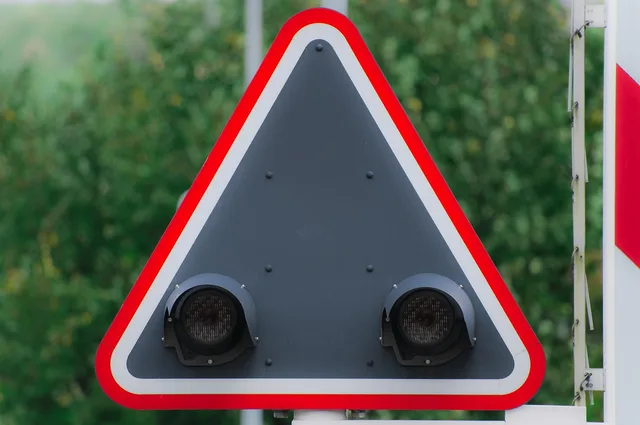
Crossings are where the corridor changes character
A crossing is a specific thing, and federal design guidance defines it carefully. In the best practices design guide, a pedestrian crossing is any location where someone leaves the walkway and enters the roadway, so their path of travel crosses a motorist's.
The guide breaks the design into elements including signs, signals and markings, turning radius, crosswalks, crossing times, medians and refuge islands. It separates midblock crossings from intersections, where turning traffic moves in several directions at once.
The traveler's version of that is short. Every crossing is a different problem, and the quiet miles on either side are what leave riders unprepared when they reach it.
Assumptions about who is allowed
Trail rules vary by state and by trail, and riders rarely check them before setting out. Federal law is specific on one point.
Under 23 U.S.C. section 217(h), per FHWA's framework for considering motorized use on nonmotorized trails, motorized vehicles may not be permitted on trails and pedestrian walkways funded under that section.
Exceptions include maintenance purposes, snowmobiles where snow conditions and state or local regulations permit, motorized wheelchairs, electric bicycles where state or local regulations permit, and other circumstances the Secretary deems appropriate.
Read that list again. Electric bicycles appear conditionally, on state or local permission. That one conditional is the source of a great many trip-ruining surprises.
The four structural causes
| Cause | How it shows up | Prevention |
|---|---|---|
| Attention drop | Crashes and near misses at crossings | Treat each crossing as a stop |
| Wrong assumption about rules | A hire bike that cannot be ridden | Ask the trail manager, in advance |
| No spare capacity | One delay ends the plan | Build in an empty half day |
| Stale information | A closed section found on the day | Call in the week before |
Why they repeat
Each cause stays invisible until it happens, and the trip feels fine until it does not. Preventing them costs almost nothing and shows no visible benefit, so people skip it.
The planning sequence that removes most of these is in how to build a bike itinerary. The corridor-specific version is in what first-time visitors miss about rail trail travel.
Common questions
What is the single most common mistake?
Are electric bicycles allowed on trails?
How much spare time is enough?
Do experienced riders make these mistakes?
In this guide
- Who really knows your route when a cycling trip goes wrong?National sources describe cycling in general; only local ones describe your corridor. Who to contact, what each source knows, and what to ask them for.
- USA travel: asking about rail-trail accessUSA travel by bike: what to ask rail-trail managers about measured conditions, entrances, surfaces, information formats and restroom access before a ride.
- Cycling trip mistakes itinerary: a two-day planning frameworkA cycling trip mistakes itinerary framework: check maintenance, budget junction time, set a drop-point rule, and finish before dark on a two-day ride.
- Cycling Trip Mistakes Tips: Railroad and Left TurnsCycling trip mistakes tips: the two hazards riders most often underestimate, railroad property and left turns across traffic, and how to handle each one.
- Choosing lodging that keeps a cycling trip out of troubleHow lodging choice causes or prevents cycling trip mistakes: the ride in from the highway, walkable evenings, and towns where traffic has been calmed.