Maintenance
Part of 4 pointers on cycling trip mistakes that hold up
Cycling Trip Mistakes Tips: Railroad and Left Turns
Cycling trip mistakes tips: the two hazards riders most often underestimate, railroad property and left turns across traffic, and how to handle each one.
Two hazards account for a large share of what goes badly wrong on cycling trips, and both are easy to underestimate because both look harmless. One is railroad property. The other is a left turn.
What to take away
- Railroad property is not public space, and trespassing on it has produced serious casualties for decades.
- State law on railroad trespass is not uniform, which affects enforcement but not the physical risk.
- Left turns across traffic create the most conflict potential of any bicycle movement at a junction.
- Where a treatment exists to manage a turn, use it. Where none exists, use the two-stage method yourself.
Railroad property is not a shortcut
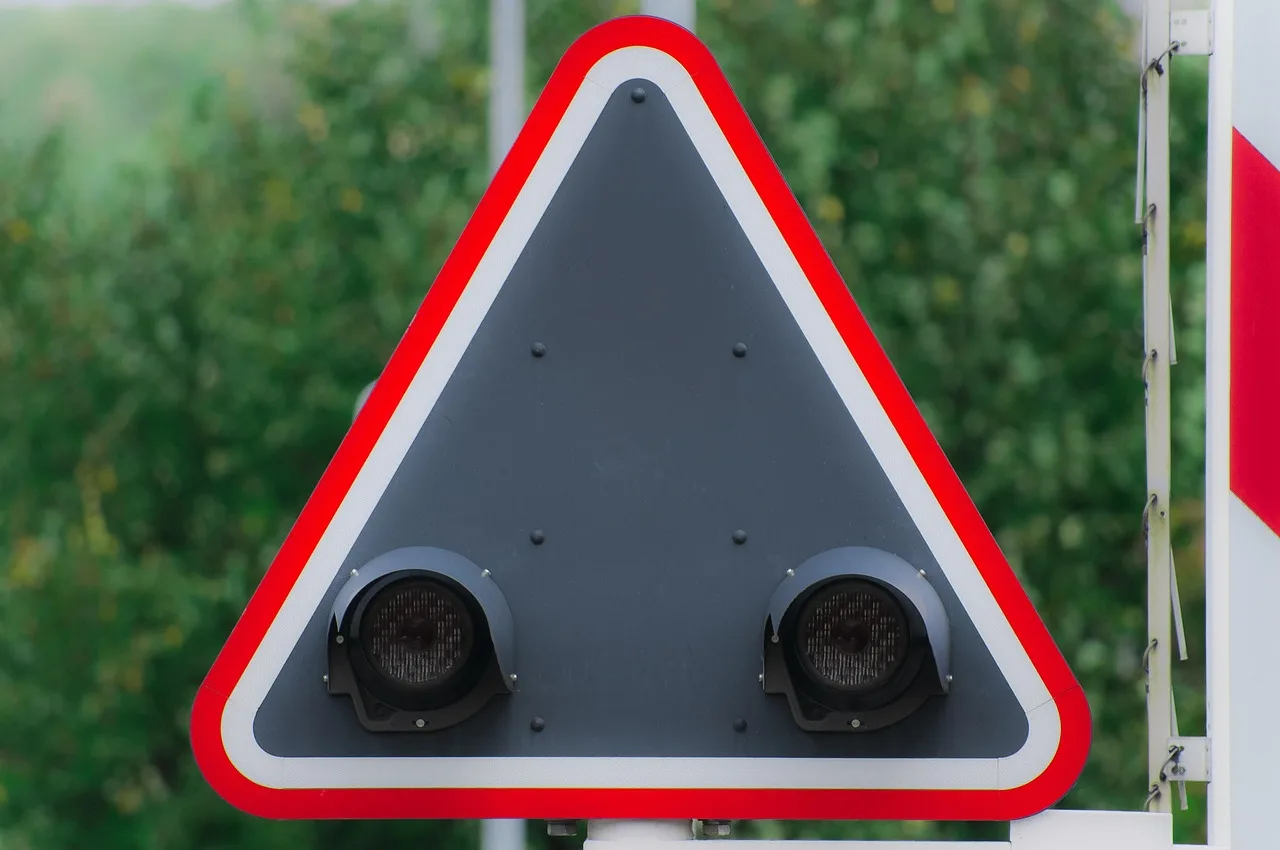
FHWA's 2002 review of trails beside active railroads set out the scale of the problem using Federal Railroad Administration data from 2000. It recorded that in that year the US railroad industry experienced close to 900 trespassing casualties, including approximately 500 fatalities, and noted that only 32 states then had trespassing laws with specific legal language covering railroad property.
Railroad trespassing toll, 2000
- 900trespassing casualties in 2000
- 500fatalities in 2000
- 32states with specific railroad trespass laws
Two things follow. The figures are 25 years old, so do not quote them as current. The physical reality has not changed: a train cannot stop for you, and the ground beside the track is no place to stand.
State law is a patchwork — only 32 states had railroad-specific trespass language at the time of that review — so enforcement varies. That does not make the behavior safe.
Stay on the trail side of any fence. Cross only at marked, legal crossings. Do not walk the ballast for a photograph.
Left turns are the hard movement
At junctions, the left turn creates the most conflict. FHWA's Separated Bike Lane Planning and Design Guide, the federal guidance on bicycle turning movements, says left turns from right-side or center-running separated lanes have the most potential for conflict with motor vehicles.
Two-stage left turn
- Ride straight through the junction
- Stop on the far side, out of traffic
- Reposition to face the new direction
- Cross on the next signal phase
It describes treatments that manage this, including bike boxes that let riders queue ahead of traffic at a red light and two-stage turn queue boxes.
Where such a treatment exists, use it. Where none exists, turn in two stages anyway: ride straight through, stop, reposition, then cross on the next phase. It is slower and it removes the movement that the guidance identifies as the worst one.
The underestimated list
| Hazard | Why it is underestimated | What to do |
|---|---|---|
| Railroad property | It looks empty and quiet | Never leave the trail side |
| Left turns | Feels routine from driving | Turn in two stages |
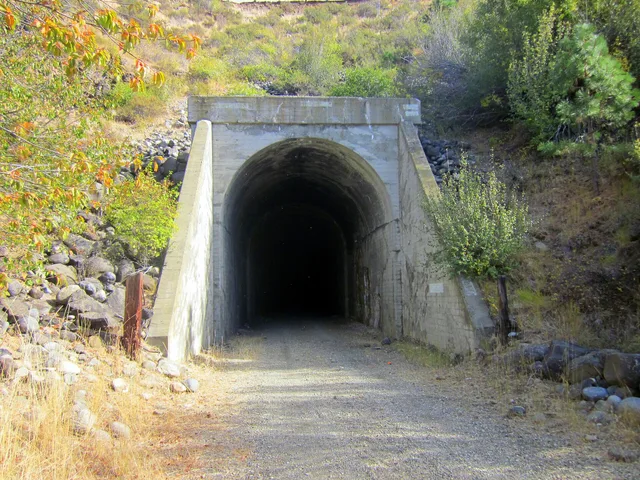
| Unlit tunnels | Short, so they feel safe | Carry a real front light |
| Wet timber and metal | Looks like ordinary surface | Cross upright, no braking |
| Following a wheel closely | Feels efficient | Leave a gap at every hazard |
Ride the first hour differently
Spend the first hour on any unfamiliar corridor deliberately slower, reading how crossings are treated and how the surface behaves. The pattern usually repeats for the rest of the route, and an hour of attention buys two days of confidence.
For converted corridors, the same two hazards show up on rail trails: quiet ground beside a live track, and junctions where a left turn has to be managed. The causes behind these errors are in what causes cycling trip mistakes.