Industry
Part of 4 things the trail town case studies teach
How to judge where to stay in a trail town: street speed, corridor uses, the walk to dinner
No lodging is named. What this gives is the criteria that decide a stay: the evening walk to food, street speed and crossing spacing, corridor uses, and what to ask.
No property is named or recommended on this page. Service quality cannot be verified from the sources this site uses, and a list of hotels dressed up as research would be worse than none. What can be described is the geometry, which is what actually decides whether a stay works.
What to take away
- The walk from your bed to dinner matters more than the ride from your bed to the trail.
- Main street design targets are published, and a street built to them is a street you can cross after dark.
- The corridor beside you may legally carry motorized uses, because the funding requires it.
- Distance to the trailhead is the least important number people ask about.
The street outside is the real amenity
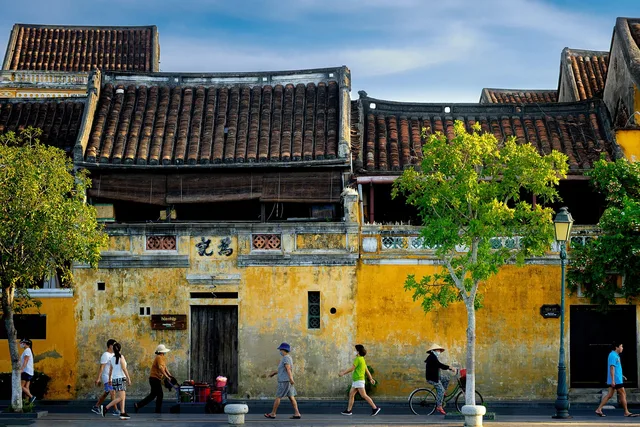
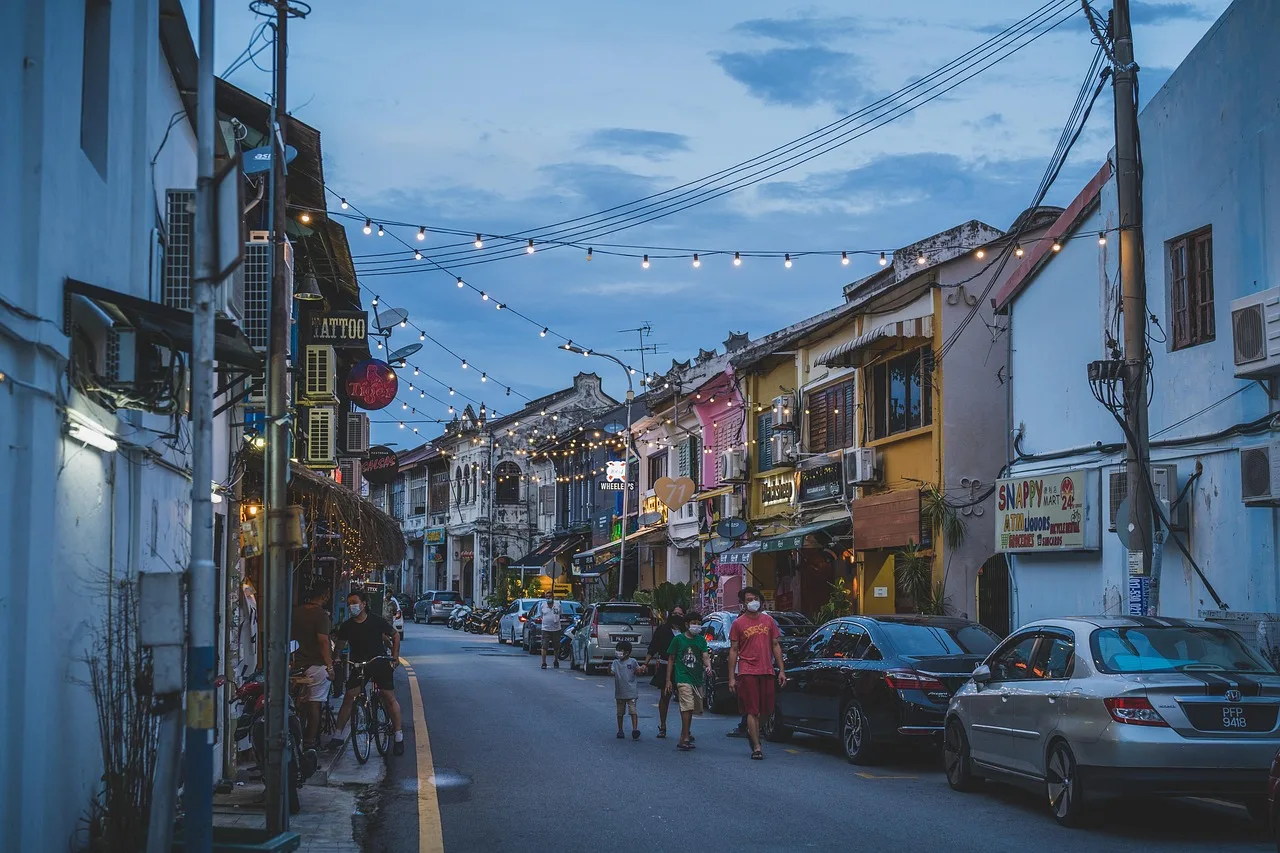
A trail town is judged after the ride, on foot, with a bicycle to lock and a decision about dinner.
Main Street Design Targets
- 6 ftMinimum sidewalk width
- 25 mi/hTarget travel speed
- 300–400 ftMaximum slow point spacing
- 8 ftPreferred pedestrian lane width
FHWA's small town network guide, in its chapter on key network opportunities, gives main street targets. It lists a 6-foot minimum sidewalk width and 25 mi/h target travel speed. Slow points spaced no more than 300 to 400 feet apart hold midpoint speeds down to that figure.
The same chapter sets a pedestrian lane at 8 feet preferred and 5 feet minimum, and notes that federal lands make up almost 30 percent of the land in the United States.
Stand on the street you would walk each evening and see which of those it resembles. A wide street with no slow points every few hundred feet is a street where traffic moves faster than the sign says, and that is the difference between walking to dinner and driving to it.
Who else uses the corridor
The trail beside your lodging may be busier and louder than the brochure suggests. Recreational Trails Program eligible uses include hiking, running, wheelchair use, bicycling and in-line skating. Equestrian use, cross-country skiing, snowmobiling, off-road motorcycling and all-terrain vehicle riding also qualify, as does four-wheel driving.
Trail Funding Split
- Diverse-use projects40%
- Motorized recreation30%
- Nonmotorized30%
States must put 40 percent of apportionment into diverse-use projects, 30 percent into motorized recreation and 30 percent into nonmotorized. Project federal share is capped at 80 percent.
That 30 percent is why some corridors carry engines on some sections in some seasons. Ask the property, not the trail map.
What to weight, in order
Factor / Why it ranks here
- Walk to food after a late finish
- Decides the evening
- Secure indoor bicycle storage
- Decides the night
- Street speed and lighting on that walk
- Decides whether you go out
- Laundry or a drying space
- Decides day two
- Distance to the trailhead
- Matters least, and is asked most
The question to ask before booking
Ask what is open, on foot, after your latest likely finish. A property four hundred yards from a kitchen that closes at eight is further from dinner than one two miles from a kitchen that closes at ten.
The corridor-side version of this decision is in choosing a base town for a rail trail trip, and the two-day structure that tests a town properly is in a two-day visit that tests a trail town.