Guides
Planning a realistic cycling weekend for 2027 means fixing points first
Planning a cycling weekend in 2027: who else uses the path, what the electric bicycle classes mean, and which rules are set locally rather than nationally.
A cycling weekend is a small trip with a narrow margin. Two days leaves no room to absorb a closed path, a rule you did not know about, or a bicycle you cannot get repaired on a Sunday. The planning that matters is mostly about constraints, and most of those constraints are local.
What to take away
- Shared paths carry more than bicycles, and the mix affects your realistic pace.
- Whether a given use is permitted is a state or local decision, not a federal one.
- Electric bicycles fall into three defined classes, and a trail may allow some and not others.
- Book the fixed elements firstaccess, transport home, and anything with limited opening hours.
Who else is on the path
Federal transportation law does not prohibit equestrians, in-line skaters, skateboarders, cross-country skiers, or snowshoe users on shared use paths built with federal-aid funds.
The federal position on nonmotorized use is explicit: states or local managers may prohibit any of these, but the choice is theirs, not a federal requirement.
Some corridors handle the mix by building a paved path and an unpaved path side by side within the same right of way.
For a weekend rider, the point is simple: expect mixed use unless the manager says otherwise, and ask the manager about a specific use rather than reading a national page.
Electric bicycles and the three classes
Federal law defines three classes of electric bicycle, and the FHWA overview of electric bicycles sets them out plainly:
Electric bicycle classes at a glance
Class 1
- Assist type
- Pedal assist
- Max assisted speed
- 20 mph
- Often allowed
- Yes
- Unpaved sections
- May be restricted
Class 2
- Assist type
- Throttle assist
- Max assisted speed
- 20 mph
- Often allowed
- Yes
- Unpaved sections
- May be restricted
Class 3
- Assist type
- Pedal assist
- Max assisted speed
- 28 mph
- Often allowed
- Frequently excluded
- Unpaved sections
- May be restricted
- Class 1
- pedal assist only, and the motor cuts out at 20 mph.
- Class 2
- a throttle can move the bicycle without pedaling, and the motor cuts out at 20 mph.
- Class 3
- pedal assist only, and the motor cuts out at 28 mph.
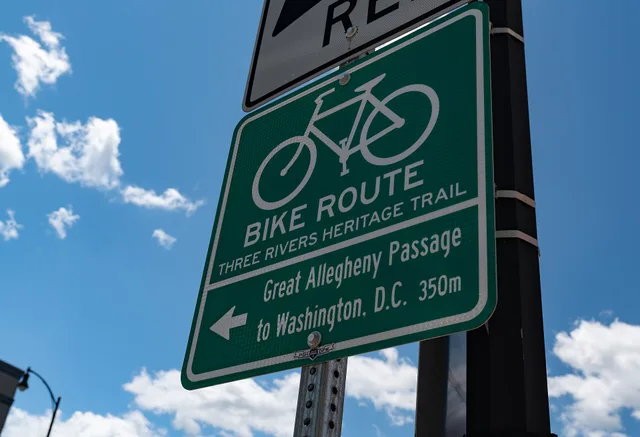
Trail managers frequently allow Class 1 and Class 2 while excluding Class 3, or restrict all of them on unpaved sections. Pennsylvania's Department of Conservation and Natural Resources allows Class 1 e-bikes on trails where bicycles are permitted, and keeps Class 2 and Class 3 to roads. The rule covers the state's sections of the Great Allegheny Passage.
If you are renting, ask which class you are getting, then check that class against the rule for the specific trail you plan to ride. A rental agent is not a reliable source on trail regulations.
Build the weekend around fixed points
- Confirm the corridor is open for your dates.
- Fix how you get home, especially for a one-way ride.
- Book lodging near a legal parking or transit point.
- Identify a bicycle shop that is open on your riding days.
- Leave the second day shorter than the first.
For 2027 dates the booking calendar comes first. Pennsylvania state parks open campsite reservations 11 months ahead, so a late May 2027 weekend in Confluence becomes bookable around late June 2026.
Recreation.gov sites typically run a rolling six month window, which puts that weekend on the calendar in late November 2026. Confirm the window for the site you want, because some run 12 months and some open only days ahead.
The calendar closes surfaces too. Trails groomed for snowmobiles stay snow covered in winter, and some managers close crushed stone segments during spring thaw so riders do not cut ruts.
Step four defeats more weekends than any other. Rural shops close on Sundays and Mondays, and a broken derailleur hanger on Saturday afternoon can end the trip. Carry the spares you cannot buy locally.
Trail towns such as Damascus, Virginia on the Virginia Creeper Trail and Rocheport, Missouri on the Katy Trail exist because riders need beds and repairs within walking distance.
Budget for the town as well. A motel room near a busy trail typically costs about 90 to 180 US dollars a night in peak season. A state park campsite with electric typically costs about 20 to 40 dollars. Holiday weekends run higher.
Set expectations for pace
Weekend riders routinely plan road pace on a mixed-use path and then feel slow. A rider who averages 14 mph on open road will average closer to 10 or 11 mph on crushed limestone once crossings, gates and foot traffic are counted.
Take the same rider on a 40 mile day. On road that is about 2 hours 50 minutes of riding. On a shared path it is about 3 hours 45 minutes, before any lunch stop.
The specific booking questions worth asking are collected in questions to ask before you book. If the weekend is a fragment of something bigger, stops worth adding to a longer trip covers how to extend it without ruining the pace.
Common questions
Can I take a horse or skates on a shared use path?
Are electric bicycles allowed everywhere?
How long should a weekend ride be?
What should I carry that I would not carry at home?
In this guide
- Visiting cyclists during a cycling weekend need more than a bike rackHow local businesses can make a cycling weekend work: what visiting cyclists actually need from a town, and what two documented US shared mobility programs suggest.
- Cycling weekends booking checklist for rail-trail tripsUse this cycling weekends booking checklist for a rail-trail trip: check bike fit, shuttles, events, trail alerts, quoted costs, and cancellation terms.
- Cycling weekends field kit: pack a camera to surviveA cycling weekends field guide to packing a rail-trail camera kit, protecting it from rain and vibration, and stopping safely to shoot.
- How to compare weekend cycling tour quotes on the same termsComparing cycling weekends on equal terms: fix the measure and scope, send every operator one table, then check passes, closures and campsite rules.
- Extra stops that actually survive being added to a cycling weekendNamed spur trails, station links, town connectors, brewery loops and river crossings that fit inside a cycling weekend without adding a night or a car move.