Guides
Crushed Limestone Rail Trails for Road Bikes: A Comparison
Crushed limestone rail trails road bikes can handle, ranked by surface reports from state park agencies, plus which trails suit 28mm tires and which do not.
What to take away
- Fine crushed limestone, roughly 3/8 inch and smaller, is rideable on 28mm tires when the surface is dry and packed.
- Tire width matters less than tread, pressure and moisture; most failures come from wet stone, not narrow rubber.
- Trails surfaced with coarse ballast or loose gravel over clay are the wrong answer for a road bike.
- Expect lower average speed on limestone, often 10 to 14 mph against 16 to 18 mph on pavement.
- Carry a spare tube and a small pump; pinch flats are the common mechanical on these surfaces.
What actually differs between limestone trails
The surfaces all get called crushed limestone, yet they behave differently under a 28mm tire. State park agencies describe their own trails in maintenance notes and surface reports, and those descriptions are the best guide available. What separates one trail from another is stone size, binder content and drainage.
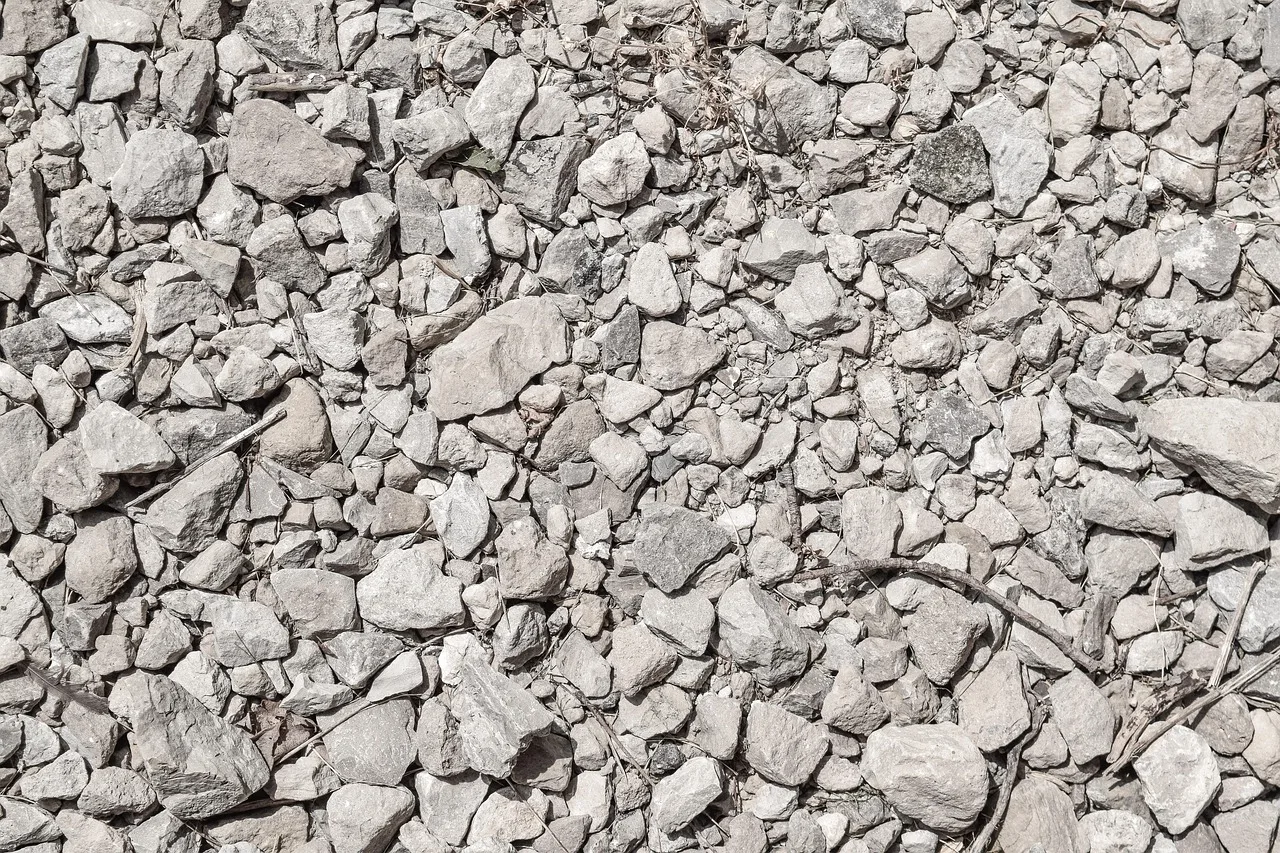
A trail built with fine screenings and a clay binder packs into something close to asphalt when dry. A trail topped with larger angular stone stays loose and will pull a narrow front wheel sideways. Drainage decides how often you meet the second condition.
Regional climate matters too. A trail in a wet climate holds moisture longer after rain, and wet limestone is the surface that ends road bike rides early.
The criteria matrix
Reported surface
- C&O Canal Towpath, MD/DC
- Compacted dirt and fine gravel
- Great Allegheny Passage, PA/MD
- Fine crushed limestone
- Katy Trail, MO
- Fine crushed limestone
- Kettle Valley Rail Trail, BC
- Coarse gravel in places
- Chief Ladiga, AL
- Fine crushed limestone
Suits 28mm tires?
- C&O Canal Towpath, MD/DC
- Yes, when dry
- Great Allegheny Passage, PA/MD
- Yes
- Katy Trail, MO
- Yes
- Kettle Valley Rail Trail, BC
- Partly
- Chief Ladiga, AL
- Yes
Main limiter
- C&O Canal Towpath, MD/DC
- Mud after heavy rain
- Great Allegheny Passage, PA/MD
- Short coarse sections
- Katy Trail, MO
- Soft shoulders, heat
- Kettle Valley Rail Trail, BC
- Loose sections, remoteness
- Chief Ladiga, AL
- Summer heat
Surface descriptions come from state and federal land managers rather than rider forums. The Federal Highway Administration program page explains how many of these corridors were funded and converted. Rail trail background is useful when a trail crosses several jurisdictions with different maintenance standards.
Where each one is the right answer
The Great Allegheny Passage is the right answer for a road cyclist who wants a long limestone ride with towns and beds at regular intervals. Riders commonly report it as the finest crushed stone of the major eastern trails.
The Katy Trail suits anyone crossing Missouri who accepts long days and few services. Its surface is fine, but summer heat and soft edges punish thin tires.
The C&O Canal Towpath is the right answer for a rider starting near Washington who wants an easy overnight. Expect mud, not stone, to be the problem. Parking and access rules at canal trailheads are set by the National Park Service, and its C&O Canal parking guidance covers where a car can sit overnight.
The Chief Ladiga is the right answer for a winter ride in the South, where the stone stays dry and fast.
The Kettle Valley is the right answer only for a rider willing to fit wider tires. Its coarse sections put it outside this comparison for a strict 28mm setup. Riders planning that trip should read bike shuttle services on rail trails compared before booking, because the remote sections change the logistics.
What they all share
Every limestone trail here slows a road bike down. Rolling resistance rises, and the surface roughness of loose stone costs more energy than the same distance on asphalt.
Every one of them also changes character after rain. None of these trails drains instantly, and none stays firm through a sustained wet spell. That shared limitation is the single most useful thing to know before you load the car.
Services thin out on all of them. A plan that assumes a town every 20 miles will fail somewhere on each trail. Riders who treat lodging as an afterthought should read choosing lodging that keeps a cycling trip out of trouble before committing to a route.
How to choose between the close calls
- Check the surface report from the managing agency for the exact segment you plan to ride.
- Match tire pressure to conditions, dropping a few psi on fine stone and more on anything loose.
- Ride the first 10 miles as a test, then decide whether to continue or reroute.
- Keep a paved alternative in reserve for the day after rain.
- Confirm the surface on the segment, not the whole trail
- Check recent rainfall for the corridor
- Carry a tube, pump and tire boot
- Identify a paved bailout within 15 miles
Fine stone and dry weather make a road bike workable on a rail trail. Coarse stone and a wet week do not.
Pre-Ride Trail Check
- Confirm surface on the segment
- Check recent rainfall
- Carry tube, pump, tire boot
- Identify paved bailout within 15 miles
If the choice is still close, pick the trail with more towns. Resupply and a dry bed solve more problems than a marginally smoother surface. Riders building a longer trip around one of these corridors can compare costs in booking order quietly changes what a bike itinerary costs.