Features
US cyclists crossing into Canada: what to declare at the booth
What US cyclists should declare at a Canadian land crossing: the bike, food, restricted items and cash over CAN$10,000, and how to pick a port that suits bikes.
What to take away
- Canada Border Services Agency officers can ask about your bike, gear, food and trip purpose. Answer plainly and keep receipts.
- Declare the bike, all food, any restricted items and any cash or negotiable instruments of CAN$10,000 or more.
- Some small border crossings have limited hours and may not suit bikes. Check CBSA and CBP port listings before you ride.
- E-bike rules differ by province and trail. Confirm motor wattage and class before crossing.
- Keep the passport where you can reach it without unpacking a pannier.
Documents to have in hand
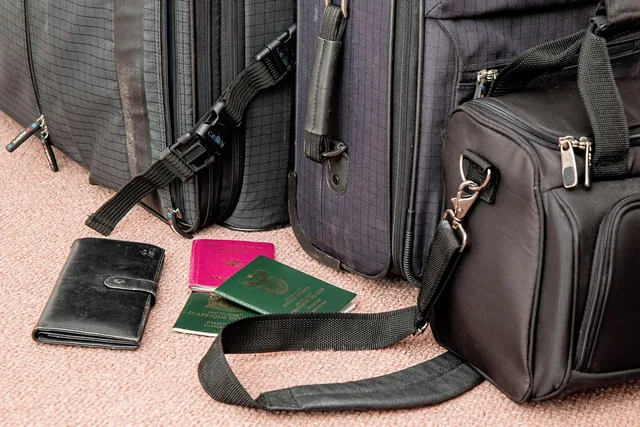
The booth conversation starts with your document, so keep it ready. US citizens entering Canada by land need a valid passport, passport card, enhanced driver's license or NEXUS card. For the full list and the return trip, see cross-border documents.
Accepted border documents
Document
- US passport book
- Yes
- US passport card
- Yes
- Enhanced driver's license
- Yes
- NEXUS card
- Yes
Canada entry by land
- US passport book
- Yes
- US passport card
- Yes
- Enhanced driver's license
- Yes
- NEXUS card
- Yes
US return by land
- US passport book
- US passport card
- Enhanced driver's license
- NEXUS card
A waterproof pouch keeps the document dry. Put it in a handlebar bag, not in a pannier you have to unpack at the line.
Declare the bike
You must declare your bicycle. A personal bike for a short trip is usually admitted without a permit, but say that you will take it home. Keep the serial number handy in case an officer asks.
Declare these at the border
- Bicycle and serial number
- Foodmeat, dairy, eggs, produce
- Cannabisnever cross
- Firearms and pepper spray
- Cash or instruments $10,000 or more
- Medications in original containers
Officers may also ask about your gear, so know what is in each bag. If one wants to see the bike, stop and let them look.
Write the serial number on the same card as your trip details, so you can read it out without unpacking anything. Treat that card as the one place for facts an officer may ask for, such as trip length and where you will sleep.
Keep receipts for anything you bought for the trip, and carry medications in their original containers.
Food and restricted items
Declare your food. The CBSA says to declare all foods, plants, animals or other products such as untreated wooden souvenirs, so a bag of trail snacks is not exempt.
Food rules matter more than many riders expect. Canada restricts some meat, dairy, eggs and fresh produce. The US also limits certain agricultural items on return. Eat your fresh food before the line or declare it.
Do not carry cannabis across the border in either direction. US federal law and Canadian border rules make it illegal at the crossing. Firearms and pepper spray also face strict controls. Bear spray may be restricted, so check CBSA rules before you pack.
Cash and the questions an officer asks
The rule is simple. The CBSA says there are no restrictions on carrying CAD $10,000 or more into or out of Canada, and it is not illegal as long as you declare it.
Have a simple answer for your trip length and where you will sleep. Booking bike-friendly lodging ahead means you already know the answer.
Choosing a port that suits a bike
Not every border station welcomes cyclists. Most land ports of entry accept bicycles, but some small ones have limited hours or no safe shoulder. Check CBSA and CBP port listings before you commit to a route.
For route ideas, see cross-border rail-trail trips near Canada. Whichever crossing you pick, work through the same short sequence before you reach the booth, so nothing is left to memory at the line.
Use these steps at the booth:
- Check the port list for hours and services.
- Confirm the crossing accepts bicycles and has a safe approach.
- Have your passport or NEXUS card in hand.
- Declare your bike, bags, food, and any cash over CAN$10,000.
- Follow officer directions and keep the line moving.
Keep your passport in a waterproof pouch, not in a pannier you have to unpack at the line.
E-bikes after the border
Canada sets a federal e-bike definition: operable pedals, motor power up to 500 watts, and a top assisted speed of 32 km/h. Provinces then add their own rules, and trail managers can ban e-bikes even where they are legal on roads.
Before you leave home, check the motor wattage and the class printed on your bike against that definition, and carry a note of both.
E-bike access rules differ by jurisdiction on both sides of the line. A trail that welcomes bikes in one province may restrict them in another, so check the specific trail before you cross.
Example: Derby Line, Vermont to Stanstead, Quebec
A rider can cross at Derby Line, Vermont into Stanstead, Quebec. The Tomifobia Nature Trail is a rail trail that runs through Stanstead toward Ayer's Cliff.
From there, local routes connect to larger Quebec cycling networks. Few US trails reach a crossing, so check which ones do in the guide to rail trails that cross.
At the Derby Line booth, stop and remove your helmet if the officer asks. Have your passport ready. Declare your bike and any food. Then continue into Stanstead and follow trail signs. The broader pre-trip checks cover insurance and duty limits.